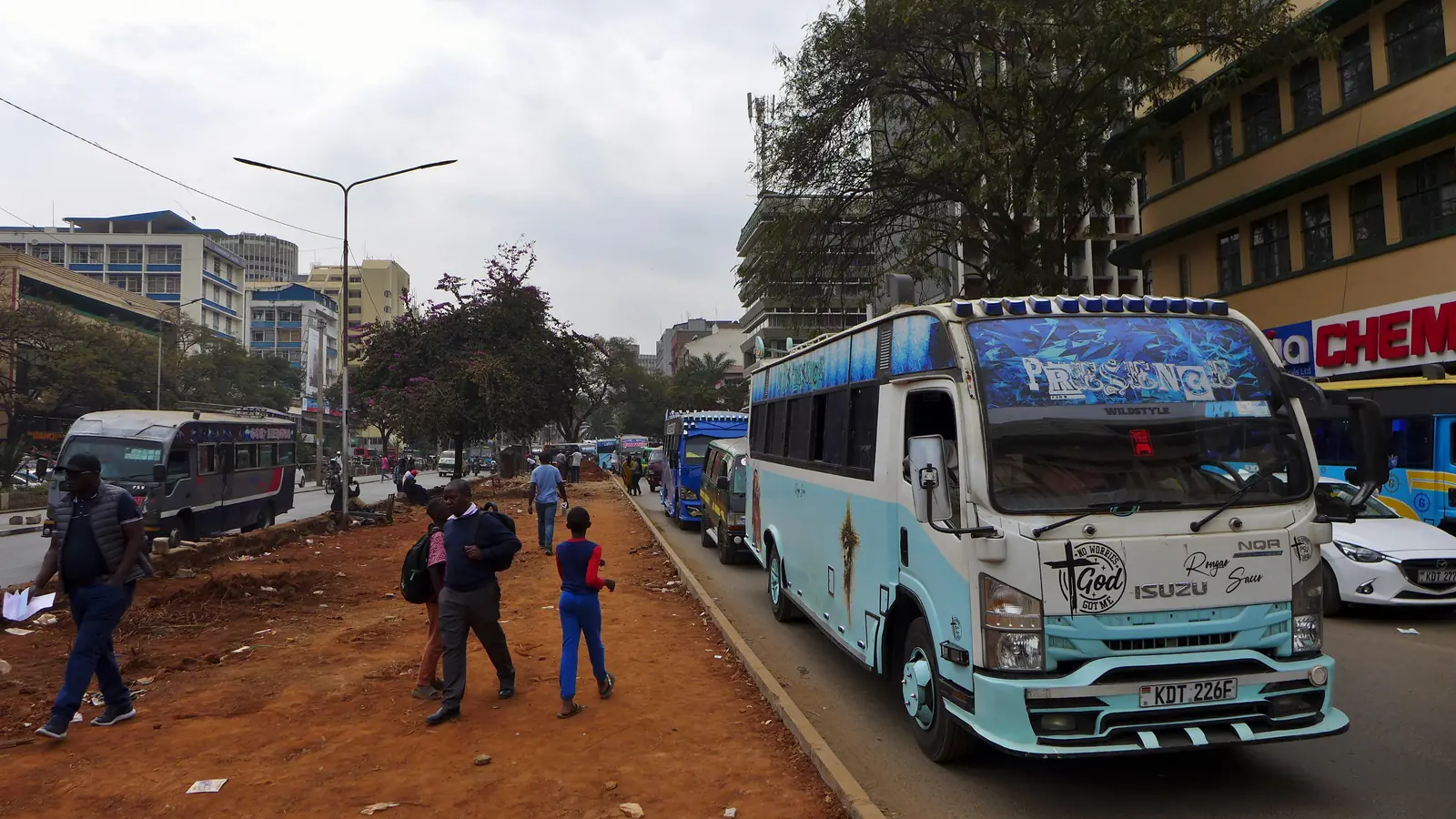
 Photo: Bahnfrend, Wikimedia Commons, CC BY-SA 4.0
Vehicle insurance in Ethiopia: Proclamation 799/2013 explained
What the law requires
The Vehicle Insurance Against Third Party Risks Proclamation No. 799/2013 (English text) says:
- Art. 3 — no one may drive a vehicle on a road without valid third-party insurance.
- Art. 4(2) — the policy must cover death, bodily injury, damage to property and emergency medical treatment.
- Art. 4(3) — every general insurer must issue it; the premium tariff is set by the Council of Ministers (Art. 4(4)).
- Art. 5 — the insurer cannot limit cover because of the driver's age or condition, the vehicle's power or value, its load, or when and where it is used.
What it does not cover
Under Art. 7, the compulsory policy does not cover: the insured and their family; the insured's employees injured at work; damage to the insured vehicle itself; goods carried for hire; property in the insured's custody; and accidents outside Ethiopia.
How much it pays
The original limits in Art. 16 of the Proclamation were Birr 5,000–40,000 for a death, up to Birr 40,000 for bodily injury per person, and up to Birr 100,000 for property damage. A victim can claim any amount above the limits from the person liable.
In July 2024, Council of Ministers Regulation No. 554/2024 replaced the premium tariff and the compensation amounts with those in a schedule to the regulation. The schedule is not included in the official online copy; the business weekly Capital Ethiopia reported compensation of Birr 30,000 to 250,000 for death and bodily injury and up to Birr 200,000 for property. Ask the insurer to confirm the amounts in your policy.
Certificate, sticker, claims and penalties
| Rule | What it says |
|---|---|
| Certificate | Valid for at least one year (Arts. 9–10) |
| Sticker | Must be displayed on the windscreen; no sticker is prima facie evidence of no insurance, and the police may detain the vehicle (Arts. 12–13) |
| Notifying an accident | The insured must notify the insurer within 10 days; the victim can claim directly from the insurer (Art. 17) |
| Uninsured or hit-and-run vehicle | Victims are paid by the Insurance Fund held at the NBE (Arts. 19–24) |
| Penalty for driving uninsured | Fine of Birr 3,000–5,000 or 1–2 years' imprisonment (Art. 30) |
What would you like to do now?
Frequently asked questions
Does third-party insurance cover property damage in Ethiopia?
Yes. Unlike Kenya, Uganda or Tanzania, Ethiopia's Proclamation 799/2013 (Art. 4(2)) requires the compulsory policy to cover damage to property as well as death, bodily injury and emergency medical treatment.
What happens if I drive without insurance in Ethiopia?
A fine of Birr 3,000 to 5,000 or imprisonment of one to two years (Art. 30 of Proclamation 799/2013). The police may detain a vehicle without a sticker.
Who pays if I am hit by an uninsured vehicle?
The Insurance Fund set up by Proclamation 799/2013 pays victims of uninsured or untraced vehicles.
Sources
- Vehicle Insurance Against Third Party Risks Proclamation No. 799/2013 — Ministry of Justice
- Proclamation No. 799/2013 — English text (Federal Negarit Gazette No. 53)
- Council of Ministers Regulation No. 554/2024 — premium tariff and amount of compensation
- Capital Ethiopia, 25 August 2024 — new vehicle insurance policy (press report)
- National Bank of Ethiopia — Financial Stability Report, March 2026