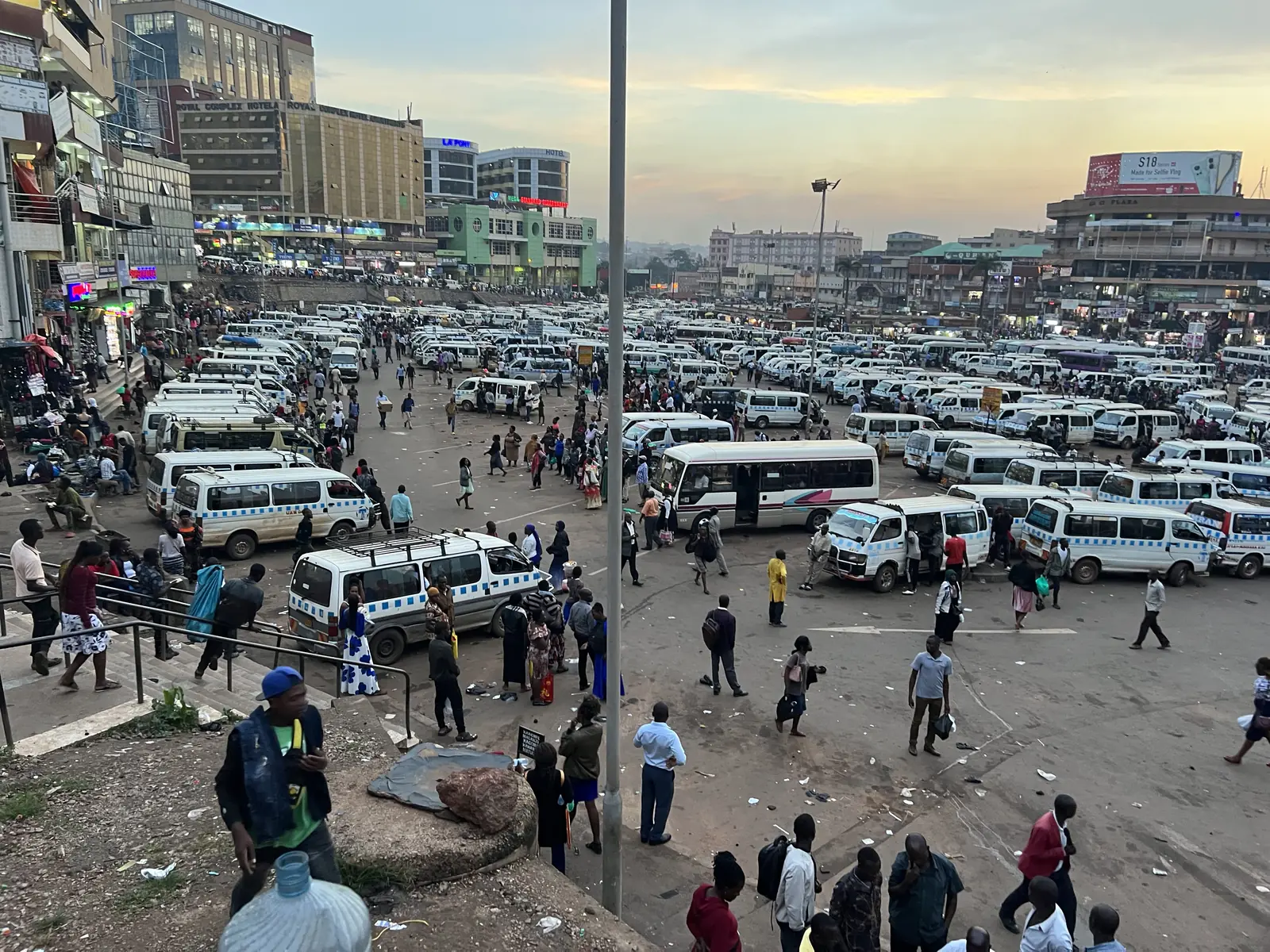
 Photo: Globaltoursandtravel, Wikimedia Commons, CC BY-SA 4.0
Commercial and passenger vehicles in Tanzania
Daladala, taxi and ride-hailing insurance in Tanzania
Short answerChecked 23 September 2026
Every daladala, taxi or ride-hailing car in Tanzania must have third-party insurance that covers its fare-paying passengers (Cap. 169, s.5). Operators are licensed by LATRA. When a claim is made, the insurer must pay within 45 days of the signed discharge (Insurance Act, s.131).
The insurance duty
The duty comes from sections 4 and 5 of Cap. 169: third-party cover for death and bodily injury, with passengers included whenever they are carried for hire or reward. LATRA's public service vehicle regulations and private hire regulations govern licensing; ride-hailing operators must also submit a safety and rescue plan and a system integrated with LATRA.
What operators should compare
- The passenger limit per seat and per event — ask for it in writing.
- Cover for damage to other vehicles and property (not required by Cap. 169, but a real risk in traffic).
- Own-damage and theft cover for the vehicle, and the excess.
- How claims are handled for passengers, and the insurer's record of paying within the 45-day limit.
- For goods vehicles: goods in transit cover.
Drivers and conductors
Drivers and conductors employed by an operator are covered by the Workers Compensation Fund, not by the motor policy: employers contribute 0.5% of gross earnings. See business insurance in Tanzania.
What would you like to do now?
Frequently asked questions
Must a daladala insure its passengers?
Yes. Cap. 169, s.5, requires passenger cover in any vehicle carrying passengers for hire or reward.